Our mission
Lorem ipsum dolor sit amet, consectetur adipiscing elit. Suspendisse varius enim in eros elementum tristique.
History& origins
1906
A plot of land acquired on rue Saint-Jacques
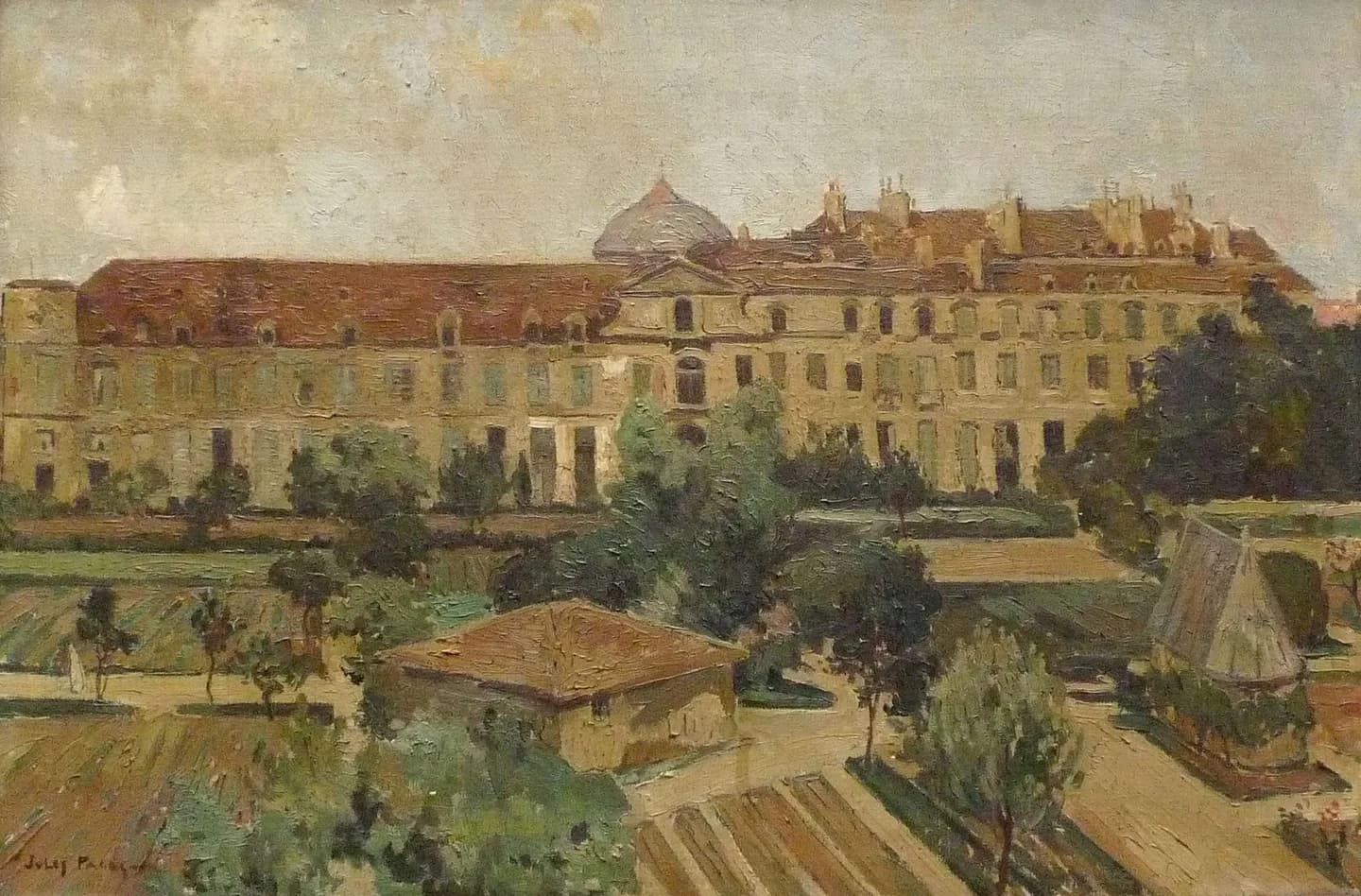
To build the new Sorbonne, the University of Paris acquired the convent of the Dames de Saint-Michel on rue Saint-Jacques, with the support of the French State, the City of Paris and Prince Albert I. In gratitude, the University granted him a plot of land on which to build his institute. Their proximity would make exchanges between the two institutions easier.
1908
Construction of the Oceanographic Institute begins
Prince Albert I entrusted the construction of his institute to the architect Henri-Paul Nénot, assisted by several artists in charge of its ornamentation. Work began in 1908 and was completed in 1911.
1909
First issue of the Annales de l’Institut océanographique published
To publish the findings of oceanographic research, the Annales de l’Institut océanographique were founded in 1909 under the patronage of Prince Albert I and the direction of Louis Joubin, then professor at the National Museum of Natural History and at the Oceanographic Institute. The journal ran until 2002.
1911
Scholars of all nations, unite
The Oceanographic Institute opened its doors on 23 January, in the heart of academic Paris. Entrusted to Henri-Paul Nénot, also the architect of the Sorbonne, the building had taken shape in Prince Albert I’s mind as his expeditions met with success. A mirror of the Monaco museum inaugurated with great ceremony a year earlier, it set in stone the Foundation recognised as being of public utility since 1906. The first lectures in the great amphitheatre drew large crowds.
« In the Paris building, we shall teach the truths established by the oceanographers I am calling upon from every country, to contribute to the whole of the work I have founded and to guide its scientific course ».
1911
Inaugural lecture by Edmond Perrier
Prince Albert I wanted to encourage the sharing of knowledge through lectures in which researchers presented their findings to the general public. Edmond Perrier, then director of the National Museum of Natural History, launched the series with a talk on “The Origin of Abyssal Faunas”.
1913
Charles Richet awarded the Nobel Prize in Physiology or Medicine
Charles Richet received the Nobel Prize in Physiology or Medicine for his research on anaphylaxis. The award crowned work carried out with Paul Portier, who held the chair of physiology of marine organisms at the Oceanographic Institute. The two men had begun working together in 1902, during one of Prince Albert I’s oceanographic campaigns off Cape Verde and the Azores.
1924
The scientific address of the Mediterranean
Founded a few years earlier at the instigation of Prince Albert I, the International Commission for the Scientific Exploration of the Mediterranean made the Oceanographic Institute its home. The building quickly became a key venue for scientific diplomacy, with a prolific publishing output. The Institute also made its mark on Parisian life: Jean Painlevé, a pioneer of underwater film, screened several of his works here, while the small and great amphitheatres became available to hire.
1949
The Grande Médaille Albert Ier awarded for the first time
Founded a few years earlier at the instigation of Prince Albert I, the International Commission for the Scientific Exploration of the Mediterranean made the Oceanographic Institute its home. The building quickly became a key venue for scientific diplomacy, with a prolific publishing output. The Institute also made its mark on Parisian life: Jean Painlevé, a pioneer of underwater film, screened several of his works here, while the small and great amphitheatres became available to hire.
1946
The Cousteau era and the modern age
The Occupation did not spare the Oceanographic Institute: deprived of staff and equipment, research came to a halt. After the war, Jacques-Yves Cousteau’s first lecture — on diving and underwater photography in the service of oceanography — signalled a rebirth. From 1957 until 1997, the famous Commandant presented his discoveries and explorations to audiences in the great amphitheatre once a year. The Calypso and its scientific adventures went on to captivate the world.
1950
Knowledge, and passing it on
The Oceanographic Institute operated as a genuine centre for research and higher education, with three major laboratories, each with its own speciality: the physical properties of the ocean, marine biology, and the physiology of marine organisms. Their work appeared in the house journal of record, the Annales de l’Institut océanographique, published since 1909. Among thousands of volumes, the complete collection was at the time freely available to students and scientists on the third floor of the library — formerly the director’s drawing room.
1977
A living space for learning
As the first issue of the journal Oceanis appeared, the Oceanographic Institute’s educational vocation took shape with the opening of a Centre de la mer et des eaux in its basement. The exhibition space offered fifteen aquariums, temporary exhibitions, Commandant Cousteau’s films and information panels on maritime professions. With its touchscreens, it foreshadowed the opening of the Cité des sciences and was an immediate public success, drawing 55,000 visitors a year. Its bookshop, Le Comptoir de la Mer, complemented a continually updated media library.
2004
From laboratories to environmental hub
The scientific and academic activity of the three historic laboratories gradually wound down through the 1980s. Listed as a Monument Historique in 2004, the Oceanographic Institute completed its transformation into a place of heritage and transmission. Reimagined as a networking platform for its centenary in 2011, the Institute has become a genuine environmental hub, welcoming the major institutions of ocean protection under its roof.
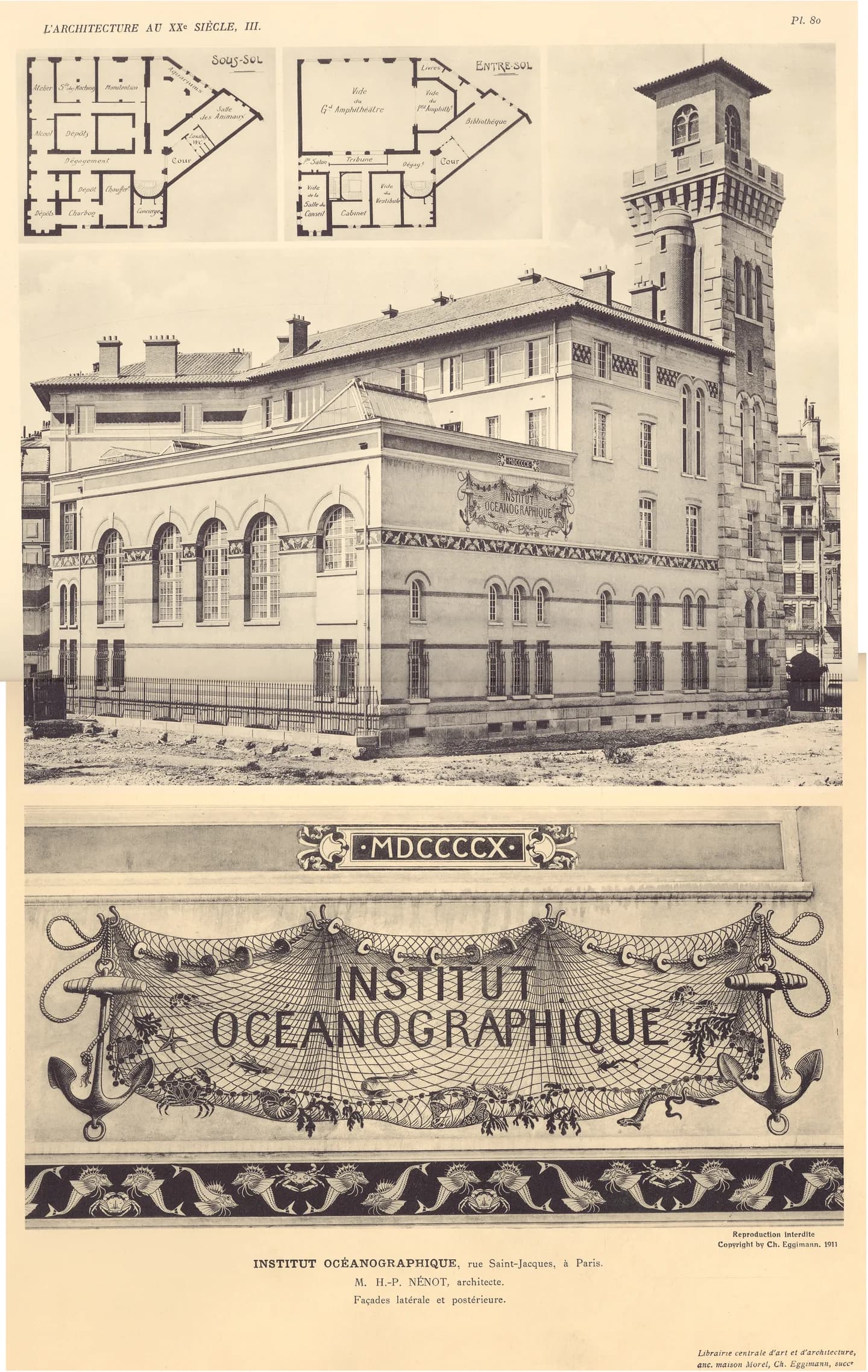

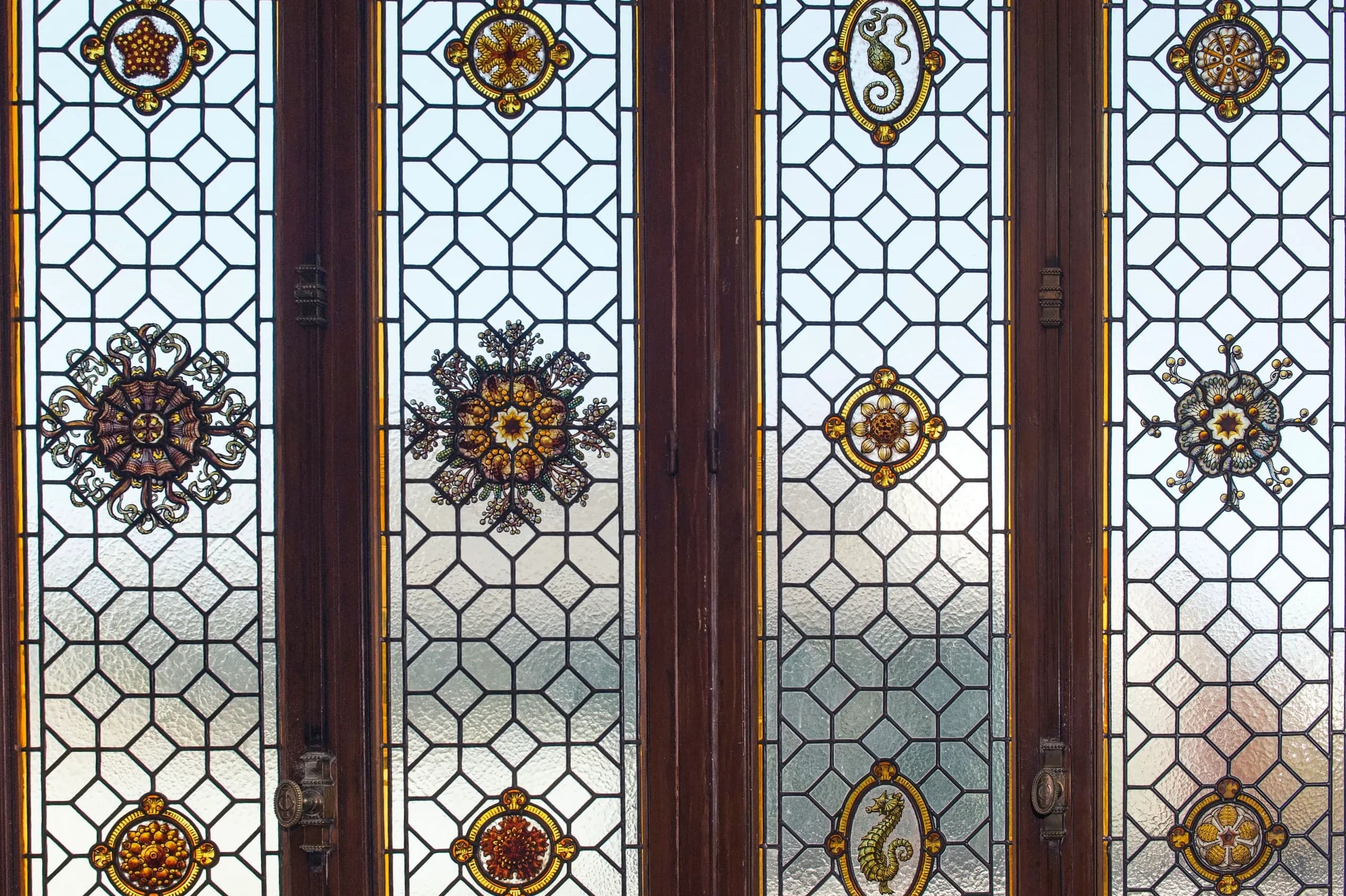
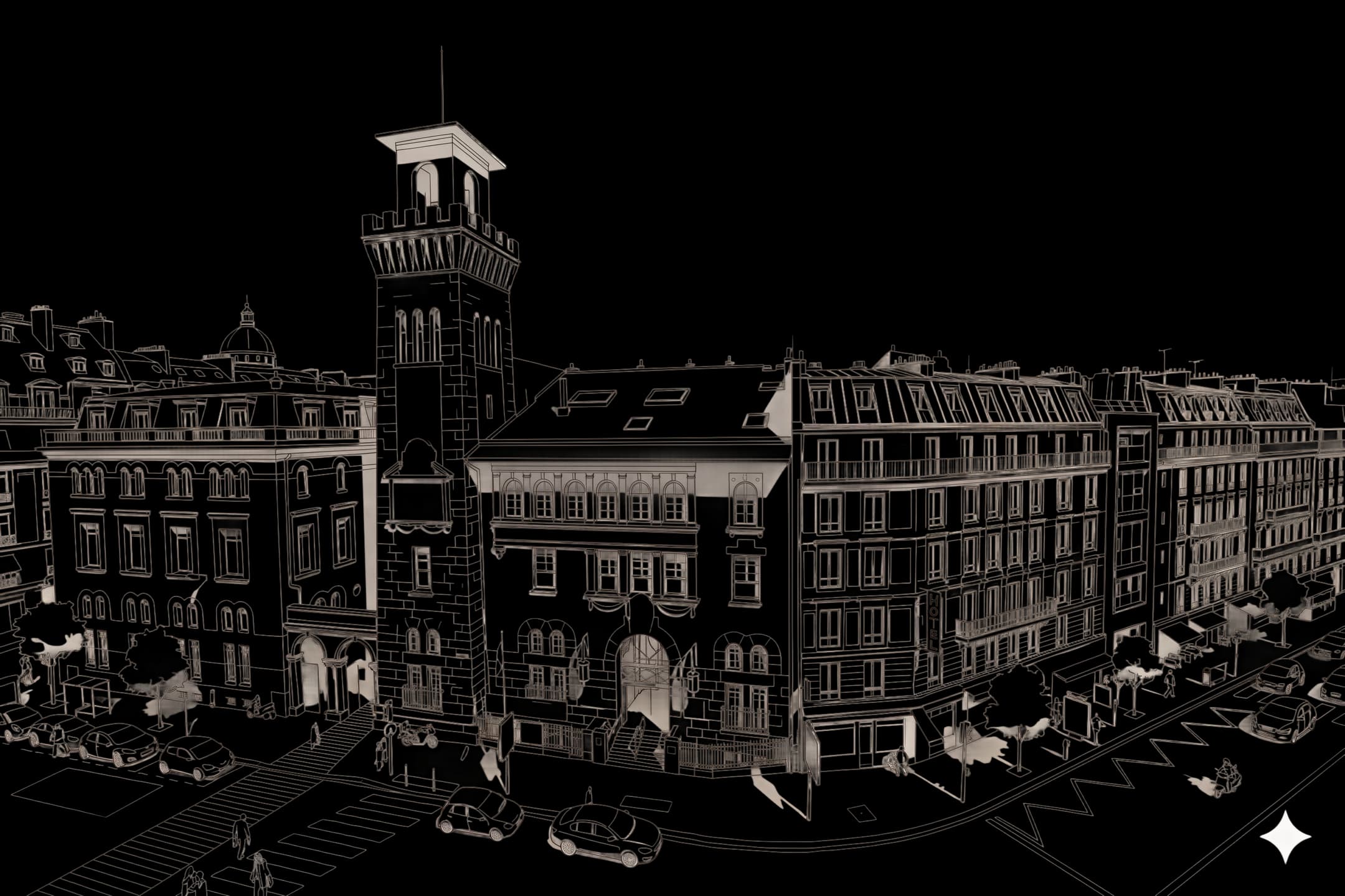
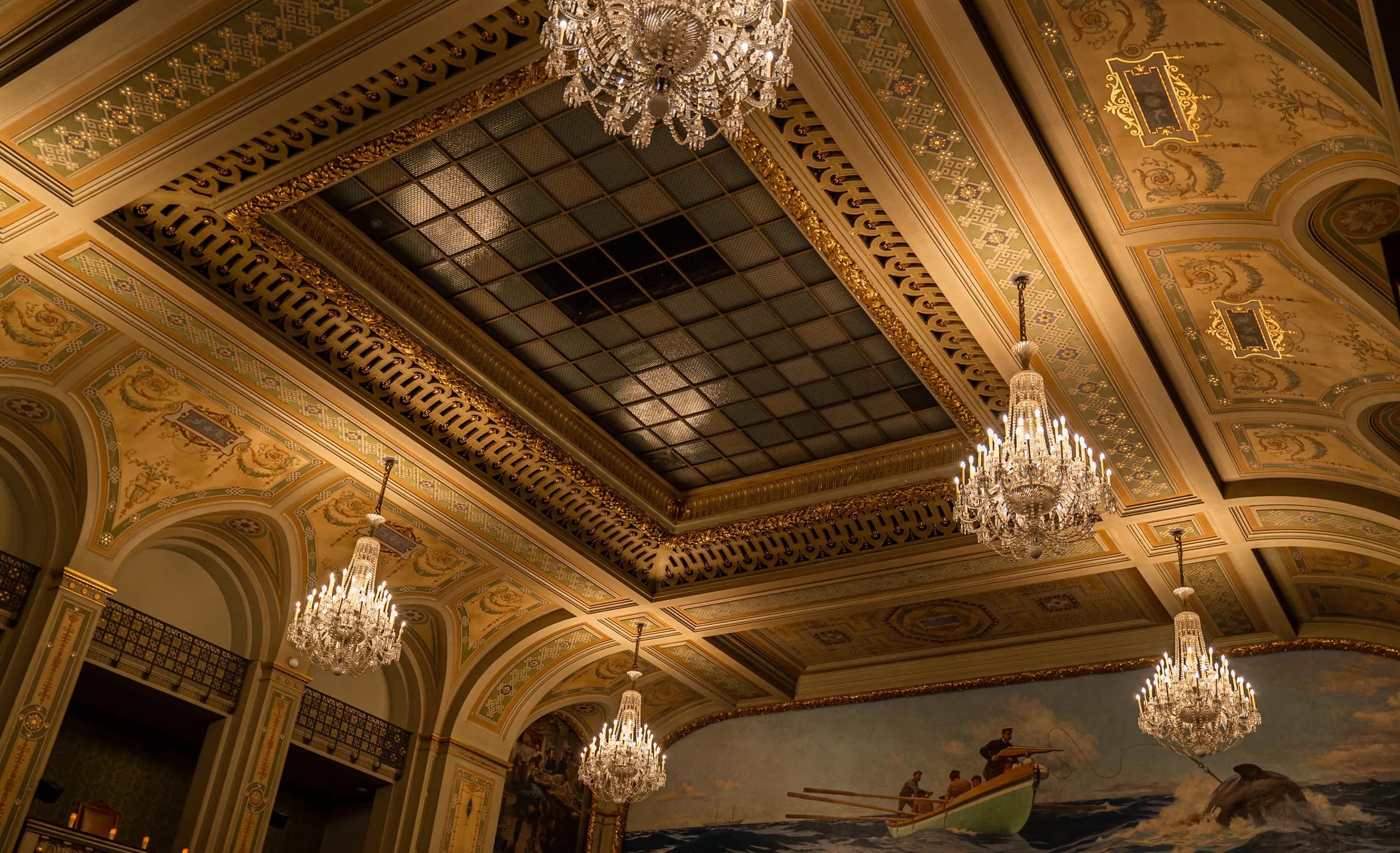
On a plot on the Montagne Sainte-Geneviève, the plans drawn by Henri-Paul Nénot (Prix de Rome) evoke an Italian Renaissance palace in brick and stone. Begun in 1908, the works advanced swiftly over two years, the interior decoration of the public and private spaces following on from the structural work without pause.
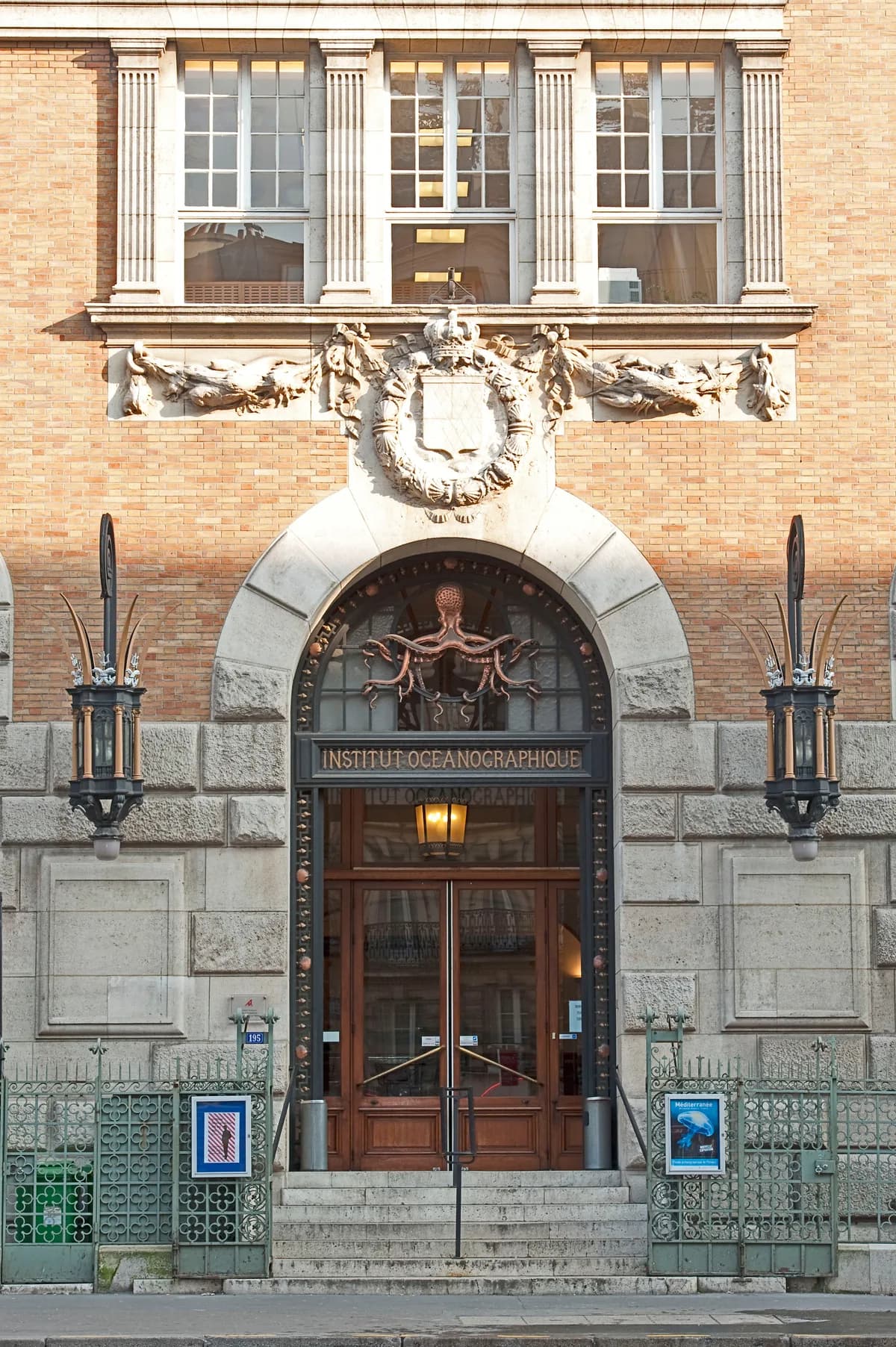
The austerity of the exterior is matched by an interior richness praised across Paris. Vast research laboratories, collection rooms, libraries, lecture rooms and a great amphitheatre were all there to mark the history of the oceans. Delivered to Prince Albert I in 1911 and bearing the Grimaldi coat of arms on its pediment, the Oceanographic Institute stands among the finest residences of the Latin Quarter.
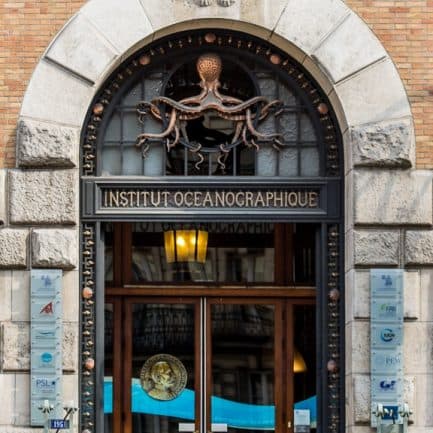
The octopus sets the tone from the doorstep. In a faintly fantastical atmosphere, the Oceanographic Institute invites visitors to discover the “Temple of the Sea”, however many hours its shores may lie away by road or rail. Prince Albert I settled the addresses firmly: Monaco for his collections, Paris for research and the sharing of knowledge.
A member of the Académie des sciences, of the Société de biologie, the Société zoologique de France and the geographical societies, he needed an address in the famous Latin Quarter. It was with Professor Milne-Edwards, director of the National Museum of Natural History, that the Prince matured his plan for an Oceanographic Institute to complement the Museum.
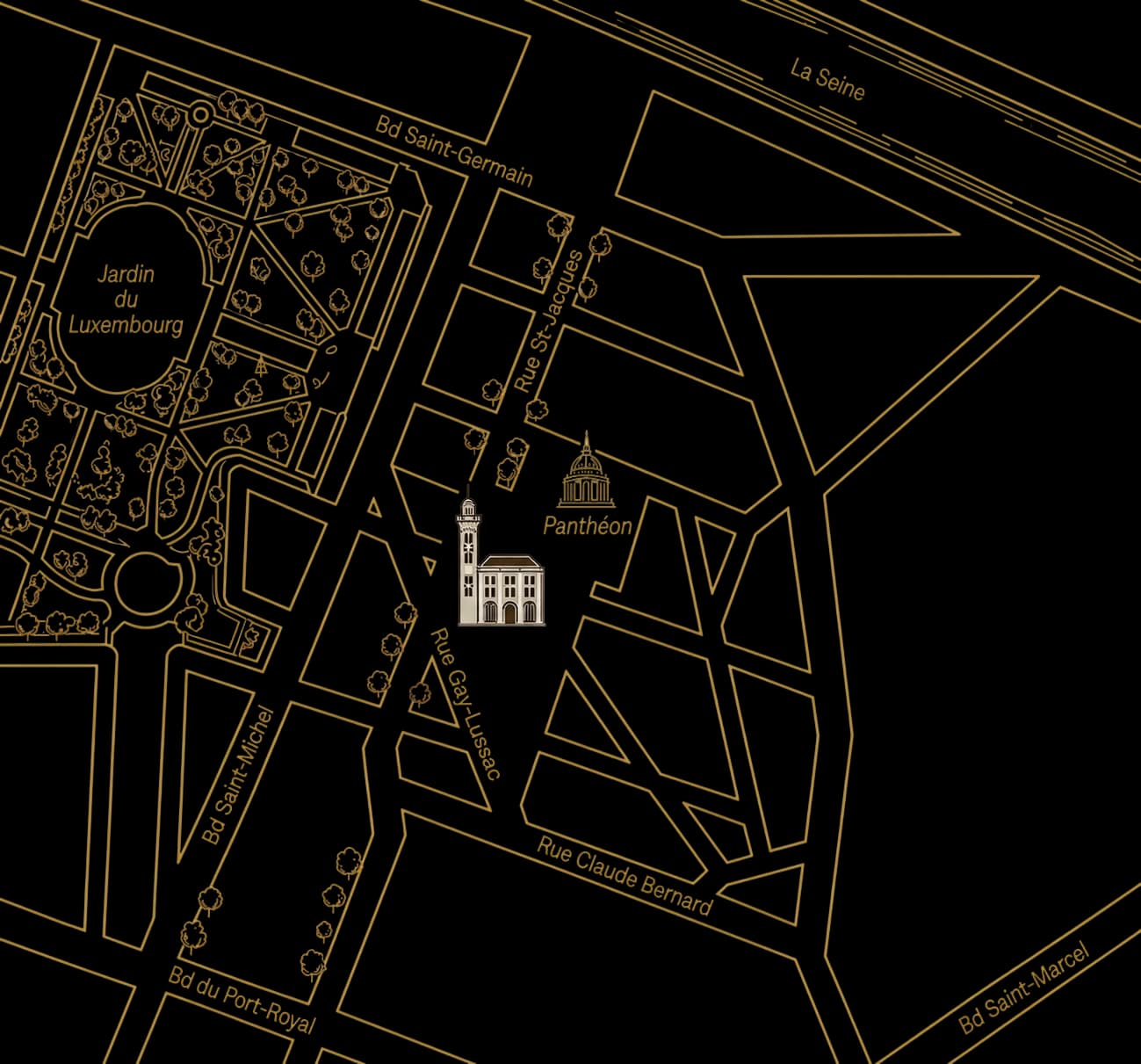
The University of Paris granted a 1,000 m² plot on which to build the seat of his Foundation. And so, at the corner of rue Saint-Jacques and rue Gay-Lussac, an academic palace was born, equipped with the most refined instruments and the most powerful microscopes. Science and dream together, a design illustrated by Léon Laugier’s marouflaged paintings — like a dive beneath the waves before entering the solemn council chamber.
Lorem ipsum dolor sit amet, consectetur adipiscing elit.
Lorem ipsum dolor sit amet, consectetur adipiscing elit. Suspendisse varius enim in eros elementum tristique.
Lorem ipsum dolor sit amet, consectetur adipiscing elit. Suspendisse varius enim in eros elementum tristique.
Lorem ipsum dolor sit amet, consectetur adipiscing elit. Suspendisse varius enim in eros elementum tristique.